
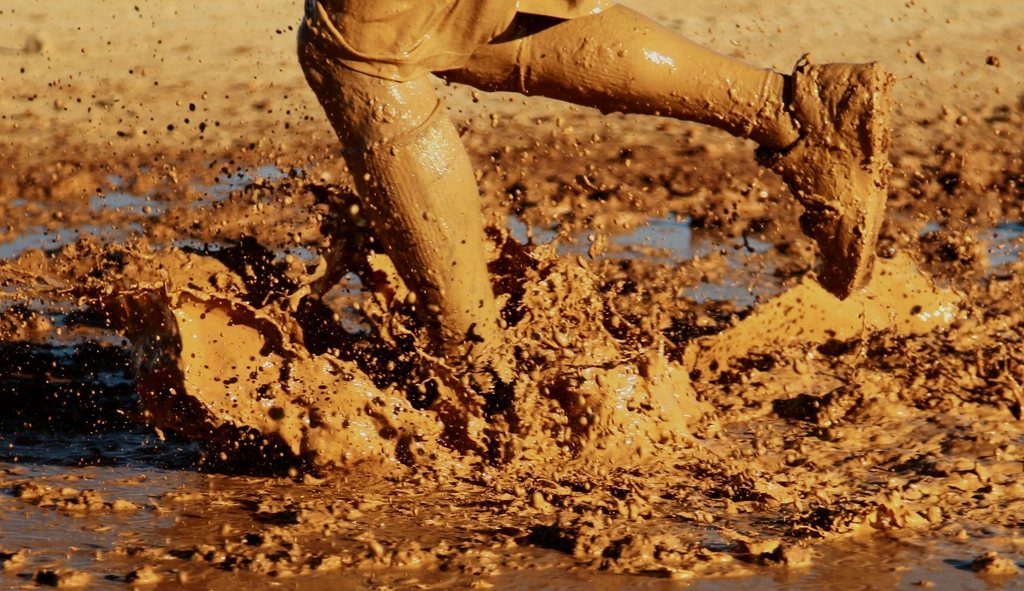
A mud kitchen is one of the simplest and most durable pieces of outdoor play equipment we know. It needs no electricity, no instructions and no budget worth mentioning. What it does need is a corner of ground you are willing to let get messy, a handful of things nobody wants any more, and an adult prepared to step back. We have watched two-year-olds and eleven-year-olds share the same muddy bench for an hour without a single argument, which is more than we can say for most toys.
Why mud is worth the laundry
Mud play looks like chaos but it is doing serious work. Stirring, pouring, scooping and patting build the wrist and finger strength that later feeds into handwriting. Mixing water into soil until it reaches the right “cake” consistency is early science: children are testing ratios, observing how texture changes and predicting what will happen when they add more of one thing. Pretend cooking is language-heavy too. Children narrate menus, take orders, negotiate who is the chef and who is the customer, and invent recipes that would horrify any real kitchen.
There is also a quieter benefit. Soil is full of harmless microbes, and moderate contact with the living outdoors is associated with better immune development in early childhood. We are not suggesting anyone eat the mud pie, but a child who gets dirt under her nails a few times a week is not being neglected. She is being given something that clean indoor play cannot provide.
Choosing the spot
The best place for a mud kitchen is close to a water source, a little out of the main traffic of the garden or playground, and ideally under partial shade so the soil does not bake hard by midsummer. A patch beside a fence or hedge works well because it gives the kitchen a natural back wall. Avoid areas where the ground drains badly; a kitchen that sits in a puddle for three days after rain becomes a swamp rather than a play space.
You will need a dedicated mud supply. Digging straight into a lawn or a flowerbed usually causes tension with whoever tends it, so we recommend a separate “mud pit” – a low raised bed, a large tub or an old sandpit filled with topsoil. Bagged topsoil is cheap, and a few wheelbarrows of soil from a building site or a friend’s garden are often free if you ask. Avoid compost with added fertiliser and avoid soil from beds that have recently been treated with weedkiller.
Scrap materials that make a good kitchen
Almost everything can be found for nothing. The core of the kitchen is a work surface at the right height: roughly waist-high for the youngest cook who will use it, which usually means 45 to 55 centimetres for preschoolers and 60 to 70 centimetres for older children. Two surfaces at different heights suit a mixed age group.
- Wooden pallets, an old bench, a discarded coffee table or a couple of sturdy crates for the counter and shelves.
- A washing-up bowl or an old metal sink sunk into a hole cut in the counter, so there is a real basin to fill and empty.
- Metal pots, saucepans, muffin tins, colanders, ladles, wooden spoons, whisks and sieves, sourced from charity shops, car boot sales or the back of your own cupboards.
- Small containers for “ingredients”: jam jars, yoghurt pots, plant pots, egg boxes and shallow trays.
- A water source: a butt with a tap, a large jerry can, or simply a bucket refilled from an outside tap.
- Hooks, nails or a length of rope for hanging utensils, which keeps the counter clear and lets children put things away.
Metal and wood age well outdoors; plastic becomes brittle and cracks after a year or two of frost and sun. If you sand rough edges on any timber and hammer in loose nails, the structure will last several seasons. Do not bother with paint or varnish unless you enjoy it. Weathered grey wood is exactly what a mud kitchen should look like.
Building it in an afternoon
Start by levelling the ground with a spade and, if you have them, a few paving slabs or bricks to keep the base off wet soil. Set your counter unit in place and check it does not rock. Screw or nail a back board to it if you have one; this stops pans sliding off the rear and gives you a place to hang utensils. Cut a hole for the sink with a jigsaw or, failing that, simply set a bowl on top of the counter and let children lift it off to empty it.
Add a lower shelf for pots and a couple of small “ingredient” stations nearby: a tray of gravel, a bucket of sand, a pile of leaves and petals, a jar of pine cones. These are the spice rack of the mud kitchen and children treat them with surprising reverence. Finish with a hook for a dustpan and brush, and a hard broom for the floor. Involving children in the build is well worth the extra hour; a child who hammered in the hook feels ownership of the whole thing.
Running the kitchen day to day
A mud kitchen needs three things from adults: water, a light hand and an end-of-session routine. Keep water available but not unlimited; a full bucket that must be refilled by walking to the tap encourages children to think about how much they use. Resist the urge to direct the play. If you must join in, be a customer, not a chef.
Establish the closing ritual from day one. Pans get rinsed and hung up, mud goes back in the pit, the floor is swept and the water is tipped onto a plant. This takes five minutes and turns “packing away” from a chore into the last course of the game. Rotate the ingredients with the seasons: blossom in spring, grass seed heads in summer, conkers and acorns in autumn, and in winter the kitchen becomes an ice-making laboratory.
Safety and hygiene without fuss
The real risks are few and easy to manage. Check the site for broken glass and animal waste before the first session and periodically after that; cats find loose soil attractive, so cover the mud pit with a board or tarp when it is not in use. Wash hands with soap after play and keep a nail brush by the tap. Children with cuts on their hands can wear gloves or take a day off.
Clothing is the other half of the equation. Waterproof dungarees and wellies remove almost all the friction from muddy play, and a set kept by the door means the kitchen is used far more often. Mud washes out; the willingness to let children get dirty is the thing that sometimes needs a little practice.